Secure codes help confirm that an important action—such as signing in, changing a password or setting up two-factor authentication (2FA)—is being completed by you. Because these codes can help protect access to your Deriv account, they should always remain private. This guide explains what secure codes are, why they are needed and how to handle them safely.
Quick summary
- Secure codes add an extra check before sensitive account actions can be completed.
- They can include one-time passwords, authenticator-app codes, password-reset codes and recovery codes.
- Enter a code yourself only in the official Deriv website or app during an expected step.
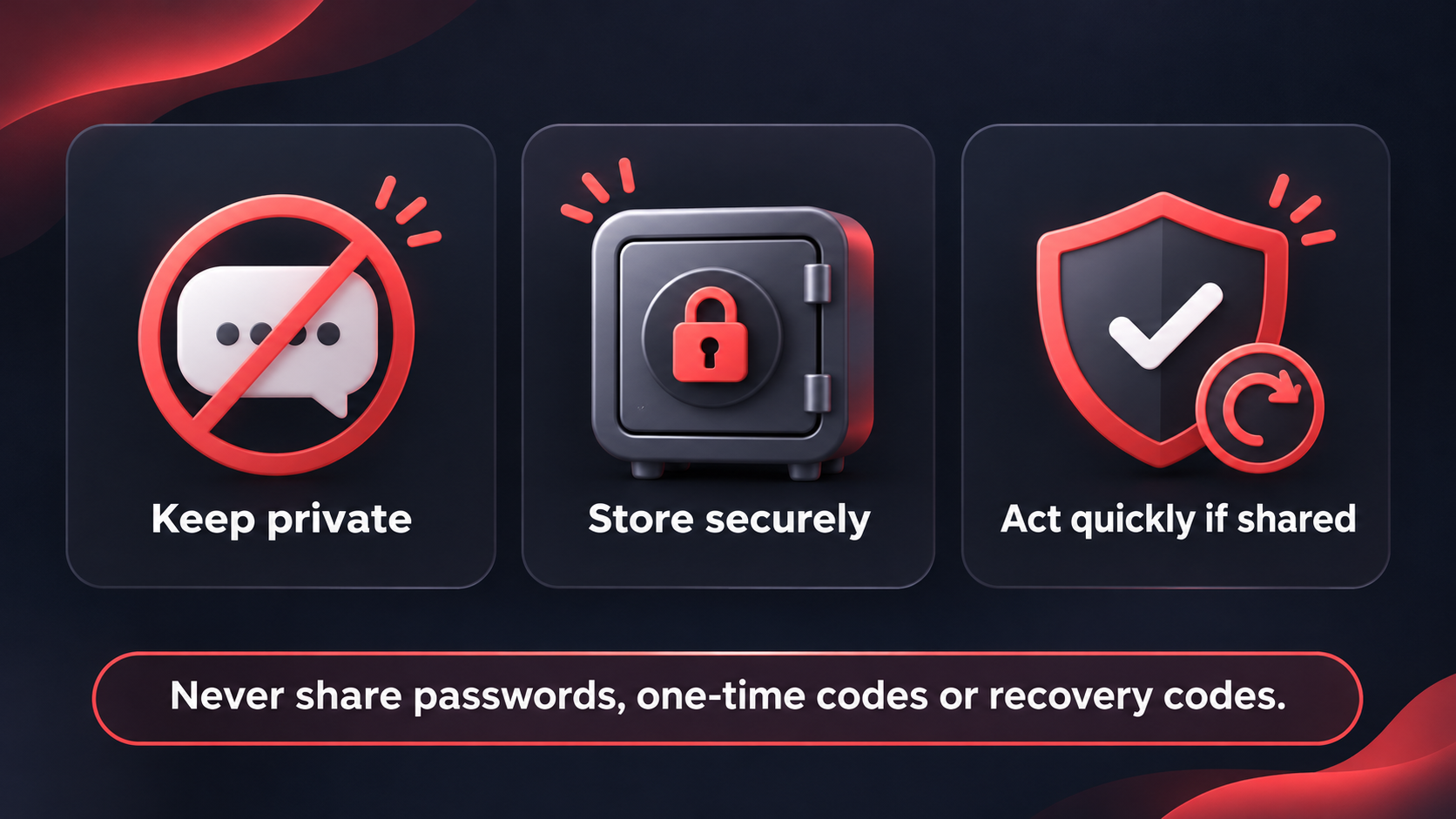
- Never send, read aloud, forward, screenshot or post a secure code.
- If you accidentally share a code, secure your account promptly through official Deriv channels.
What are secure codes?
A secure code is a credential used to help confirm that a login or account action is authorised by you. Unlike a password, many secure codes are temporary: they may expire after a short period or work only once.
You may encounter a secure code when you:
- Sign in from a new device or browser
- Turn on or use 2FA
- Change or reset a password
- Confirm a sensitive account-security action
- Recover access to an account
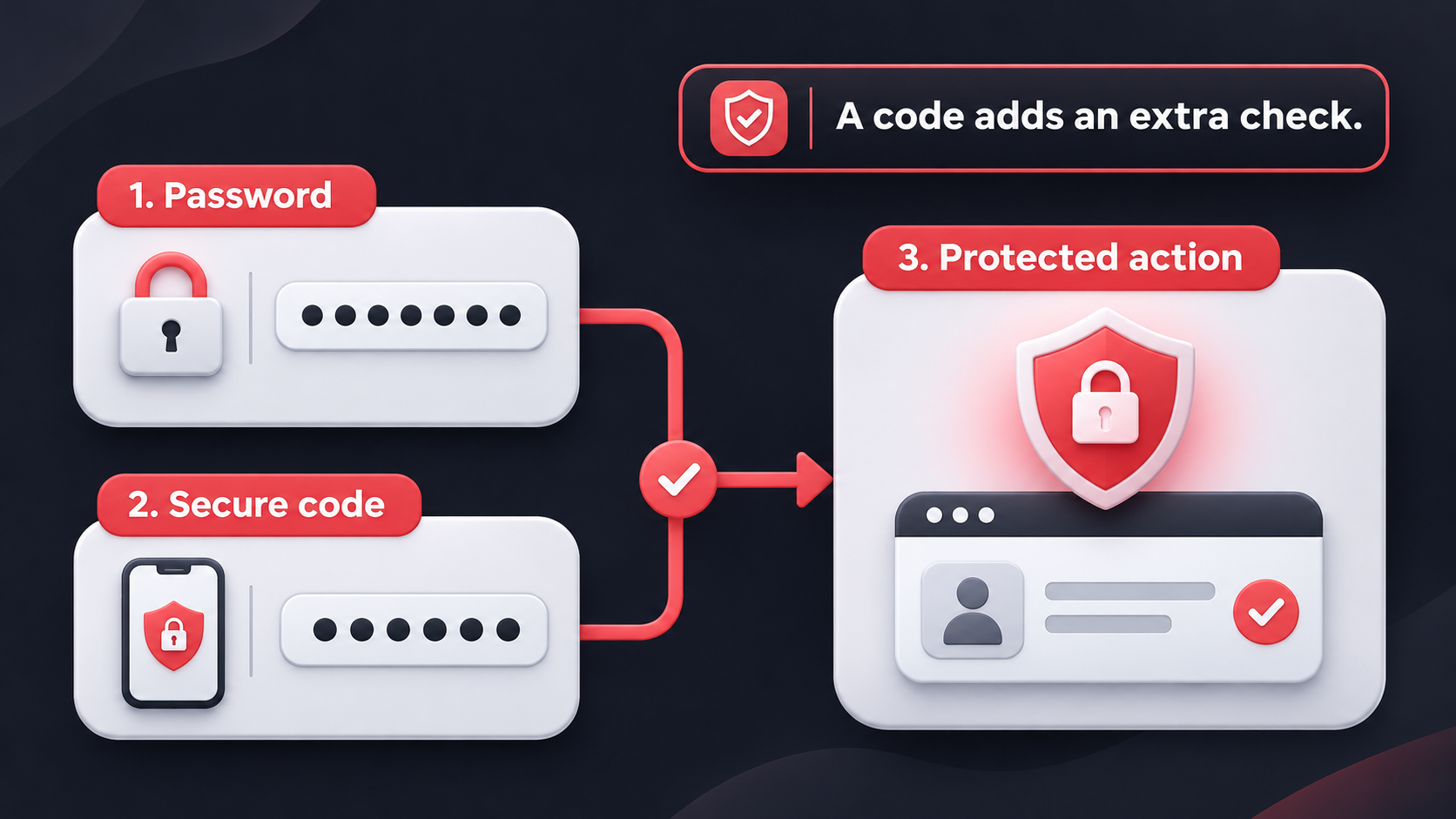
Secure codes are useful because they add another layer of verification. Even if someone discovers a password, they may be unable to complete a protected action without the additional code.
Common types of secure codes
One-time passwords (OTPs) are temporary codes sent to a registered email address or phone number. They help verify that you can access the contact method linked to the account.
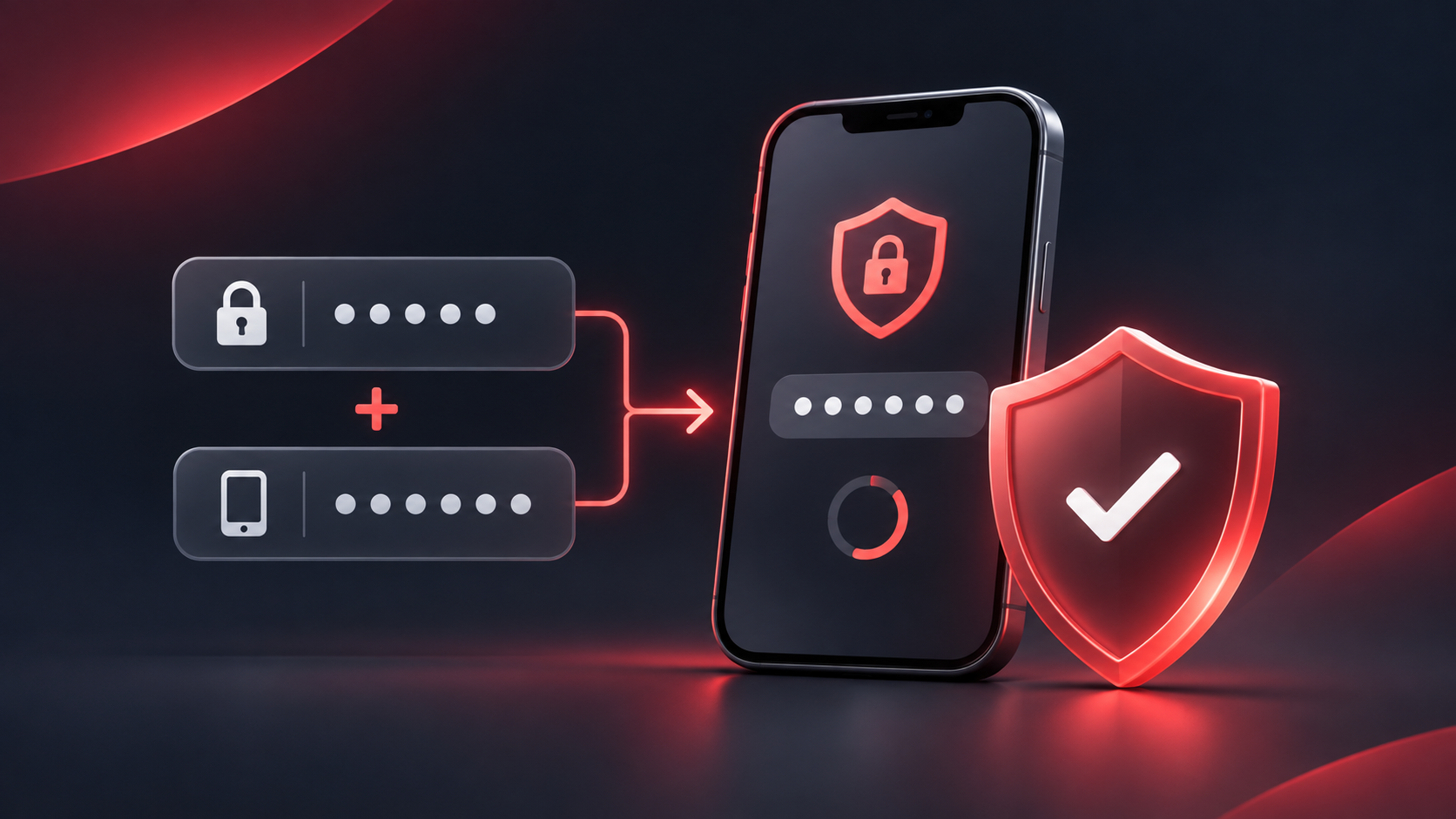
Authenticator-app codes are short, time-limited codes generated in an authenticator app. They are commonly used for 2FA and change regularly.
Password-reset codes help confirm that a request to reset a password is authorised. They are especially sensitive because they can be part of a process to create a new password.
Recovery or backup codes are emergency codes created when setting up 2FA. They may help restore access if you lose an authenticator device, so they must be stored securely and treated like passwords.
Why secure codes are needed
Passwords can be guessed, reused or exposed through a data breach or phishing attempt. A secure code helps reduce the risk that a password alone can be used to access an account or make a sensitive change.
For example, when you change a Deriv password from your profile, Deriv may send a one-time password to your registered email to help verify the request. You enter that OTP yourself as part of the official process, then set the new password.
This extra step is not a guarantee against every risk, but it creates an important barrier. It confirms that the person making the request has access to the required verification method at that moment.
Codes are for you to enter, not to give away
A secure code is not a piece of information to share with another person. It is an instruction for you to complete a specific security step yourself.
Keep this distinction in mind:
When it is safe to enter a code
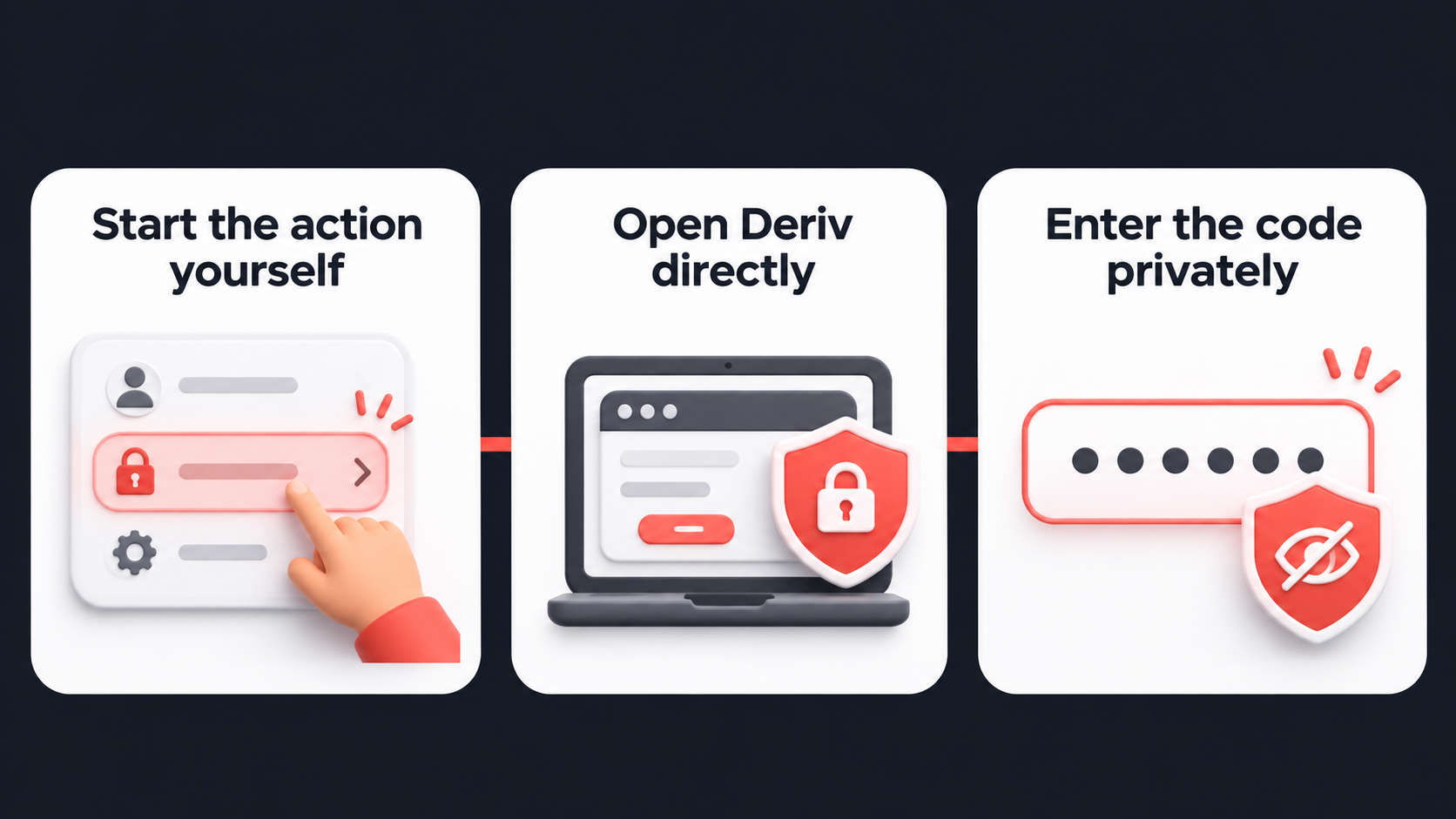
Enter a secure code only when all of these conditions apply:
- You started the action yourself.
- You are using the official Deriv website or app.
- You expected the verification step.
- The code is being entered into the relevant secure field—not sent to a person.
For example, if you select Password in your Deriv profile and request a password change, an OTP sent to your registered email can be part of that expected process. The code should be entered only in the official password-change flow.
If the action is unexpected, pause before entering anything. Open Deriv directly through your usual route and check your account settings instead of relying on a link in a message.
Keep codes out of screenshots
A screenshot can contain more information than it first appears to. It may show an OTP, account email, device notification, transaction reference, browser address or other personal details.
Before sharing a screenshot for support purposes, review every visible element. Never include a password, secure code, QR code, recovery code or authenticator-app screen. When possible, crop or redact any personal, payment or account details that are not needed.
How to store recovery codes safely
Recovery codes are different from ordinary one-time codes because they may remain valid until used or replaced. They are designed for emergencies, such as losing access to an authenticator app.
Store them somewhere you can access when needed, but where other people cannot. A reputable password manager can be a suitable option when it is protected by a strong master password and 2FA. A protected offline copy may also be appropriate.
Do not:
- Keep recovery codes in an email draft or unprotected cloud document
- Store them in a public or shared photo album
- Send them to yourself through chat
- Share them with a friend, family member or anyone claiming to help
- Include them in a support screenshot
If you generate new recovery codes, securely remove any outdated copies so you do not rely on codes that no longer work.
What to do if you shared a code
A shared code may no longer be safe to use, even if it has not yet expired. Act promptly, but use only official routes.
- Open Deriv directly through the official website or app.
- Change your Deriv password to a new, unique password.
- Review your 2FA settings and recovery methods.
- Secure the email account linked to Deriv, particularly if it may receive password-reset instructions.
- Contact Deriv through official support if you think someone may have accessed your account.
Build a secure-code routine
A few simple habits make secure-code requests easier to handle:
- Start account actions only from the official Deriv website or app.
- Use 2FA on your Deriv account and on the email account linked to it.
- Read verification messages carefully before acting.
- Keep recovery codes in a protected location before you need them.
- Never approve or enter a code for an action you did not start.
- Treat any request to share a code as a reason to stop and verify independently.
Take the next step
Review where you store your recovery codes and make sure 2FA is enabled on your Deriv account and the email linked to it. If you receive a code for an action you did not start, do not enter or share it—open Deriv directly and review your security settings.
Quiz
When should you enter a secure code?
FAQs