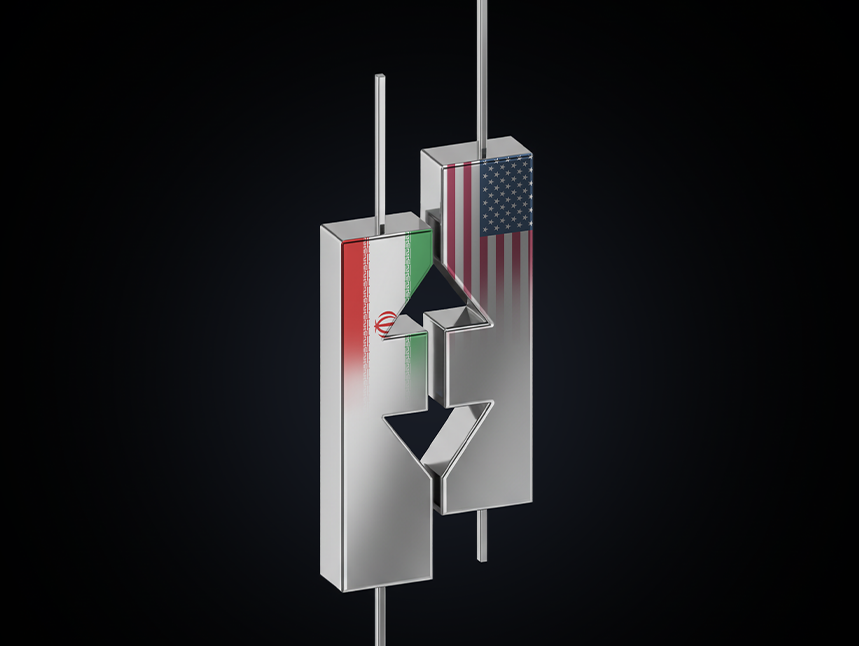
Oil and natural gas markets are currently dominated by escalating geopolitical tensions between the United States and Iran, which have dramatically reshaped supply expectations and price volatility. A series of military actions involving the US, Israel, and Iran has disrupted flows through the Strait of Hormuz, a critical chokepoint for global energy trade, and has pushed crude prices to multi-year highs. On Deriv, traders can access these volatile markets via CFDs (contracts for difference), allowing them to go long or short and manage exposure with leverage and risk controls suited to rapid price swings.
Quick summary: what oil and gas traders should know
- US-Iran conflict is the dominant driver of oil and gas volatility as geopolitical risk premiums surge. Global benchmarks briefly crossed US$80+ per barrel.
- Disruptions in the Strait of Hormuz have effectively choked about 20% of global seaborne oil and LNG flows, intensifying price risk.
- CFDs on Deriv allow both long and short positions with leverage, helpful in fast-moving markets.
- Risk controls like stop-loss orders, position sizing, and demo account practice are essential when trading these commodities.
- Technical and fundamental frameworks help navigate volatile swings triggered by macroeconomic releases against the backdrop of conflict news.
What’s driving oil and natural gas prices right now?
Geopolitical conflict: US and Iran
Recent US and Israeli strikes on Iranian military infrastructure, followed by strong Iranian retaliation and warnings around the Strait of Hormuz, have pushed energy geopolitics to the forefront of price action. Markets are pricing in the near-term risk of supply interruptions because around 20% of global oil and liquefied natural gas passes through Hormuz.
The effective halt in tanker traffic through the strait has been cited as a key factor lifting crude prices, as shipping firms withdraw operations and insurance costs spike.
Supply expectations and price responses
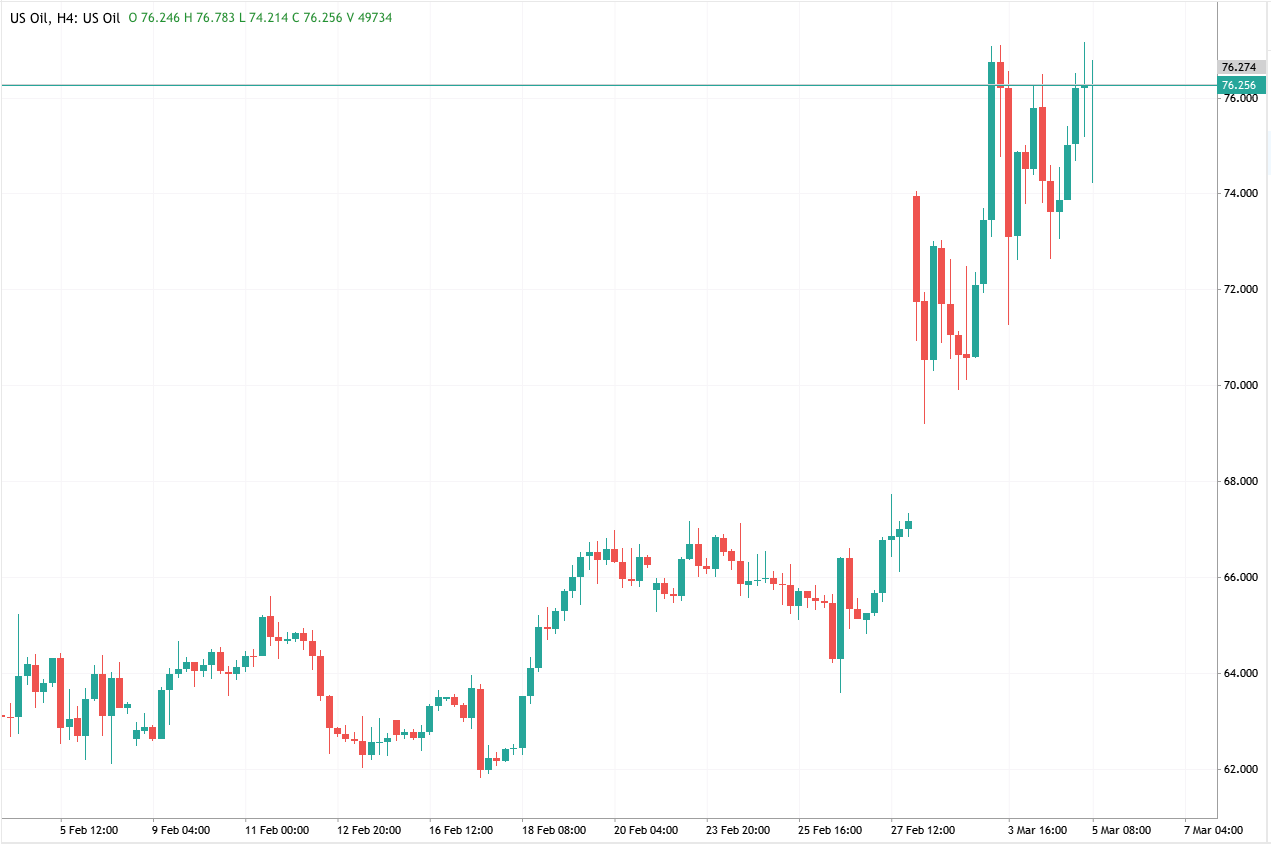
Crude benchmarks such as Brent and WTI have experienced sharp rallies (7–13% range) as markets factor in real disruption risk. Some analysts argue that without the conflict, oil prices might be significantly lower than current levels.
Disrupted access to Middle Eastern gas exports and regional infrastructure impacts also add upward pressure to natural gas benchmarks.
Why volatility creates trading opportunity on Deriv
Heightened volatility means larger price ranges in short periods, which traders can leverage to make gains in either direction.
With CFDs on Deriv MT5 (e.g., US Oil, UK Brent oil, NGAS), profits or losses are based on the price difference between entry and exit, multiplied by contract size. Using leverage allows traders to open larger positions with a fraction of the required capital—but also increases risk exposure.
Leverage and margin basics
- Leverage increases both potential gains and potential losses.
- Margin is the collateral required to hold a position; adverse moves can quickly erode margin, leading to stop-outs.
This makes strict risk controls like predefined stop losses critical in conflict-driven markets with news flood risk.
How different traders can approach energy markets
Scalpers
- Target intraday moves based on minute-to-15-minute charts.
- Capitalise on news spikes and short-term liquidity surges.
- Always use tight stops to contain risk.
Swing traders
- Trade over hours to a few days.
- Look for breakout patterns post-economic releases or conflict headline flows.
- Balance technical signals (RSI, MACD) with geopolitical catalysts.
Position traders
- Focus on macro trends like prolonged disruptions or inventory imbalances.
- Use wider stop zones to withstand noise from minute-by-minute swings.
Common technical setups in conflict-driven volatility technical analysis
Reversals and breakouts
Reversal patterns (double tops/bottoms, head-and-shoulders) and breakout formations can be reliable but must be confirmed with volume and news calendars, as headline risk can cause outsized moves.
Support and resistance
Key price levels matter more during geopolitical premiums. Breaks can signal trend continuation, while rejections often highlight temporary consolidation.
Indicators
- RSI: spots overbought/oversold conditions.
- MACD: highlights momentum shifts.
- Moving averages: smooth trends, useful in volatile ranges.
Step-by-step: trading oil and natural gas on Deriv MT5
- Log in and open Deriv MT5.
- Search for symbols: US Oil, UK Brent Oil or NGAS (natural gas).
- Open order window and set lot size.
- Apply stop-loss and take-profit levels based on volatility range and risk limits.
- Click “Buy” to go long or “Sell” to go short.
Your profit/loss reflects the price difference multiplied by your chosen contract size.
Risk management essentials during geopolitical volatility risk management strategies
- Position sizing: Reduced lot sizes help survive violent swings.
- Stop-loss orders: Always use them to lock in risk limits — volatility can widen spreads and trigger slippage.
- Leverage discipline: High leverage can drain accounts quickly in reactions to breaking news.
- Stay informed: Track OPEC+ communications, US inventory data, geopolitical news feeds — these drive intraday sentiment.
Critical reminder: Only risk capital you can afford to lose.
Spot markets vs CFDs in turbulent conditions CFD trading
CFDs let you trade price movements without owning the physical commodity. This provides strategic flexibility during conflict when spot markets may have delivery risks or logistical constraints.
CFDs also enable easy shorting — valuable in sudden sell-offs or risk-off energy demand scenarios.
Managing psychology under conflict-led uncertainty
Volatility can drive emotional responses:
- Avoid over-trading after wins or losses.
- Respect your daily risk limits.
- If markets become chaotic around major headlines, step back and reassess.
Emotional discipline is as crucial as technical skill.
Conclusion: strategies and considerations to help manage risk and inform trading decisions in conflict-shaped energy markets
March 2026 energy trading is dominated by US-Iran geopolitical risk, which has materially reshaped price expectations and volatility. Whether scalping on intraday swings or holding trades based on macro disruption, Deriv’s CFD tools give traders flexible exposure to both rising and falling markets — provided risk is managed with structure and discipline.
Before committing real funds, practice strategies on a Deriv demo account to refine setups and risk parameters in these high-volatility conditions.
Quiz
Which practice is most important when trading oil and natural gas during volatile markets?
FAQs