يمكن أن يشعر تداول مؤشرات التقلب مثل ركوب الأفعوانية - مثير، لا يمكن التنبؤ به، وأحيانًا متوتر للأعصاب. لذلك، وجود خطة محكمة هو الأساس لاستراتيجيات التداول. تساعدك أوامر وقف الخسارة (SL) وجني الأرباح (TP) على البقاء مسيطراً من خلال تحديد نقاط خروج واضحة لصفقاتك، سواء تحرك السوق لصالحك أم لا.
ما هي أوامر وقف الخسارة وجني الأرباح؟
تخيل أنك تتداول في مؤشر التقلبات. يمكنك الجلوس هناك تراقب كل حركة سعر وتأمل الأفضل، لكن تلك طريقة مرهقة (ومحفوفة بالمخاطر) للتداول. بدلاً من ذلك، تقوم أوامر SL و TP بالعمل الشاق نيابةً عنك من خلال تأمين الأرباح وتحديد الخسائر تلقائيًا:
- جني الأرباح (TP): هذا هو هدف أرباحك. تحدد سعرًا ترغب في السحب عنده، وعندما يصل السوق إلى هذا المستوى، يتم إغلاق صفقتك مما يضمن تحقيق أرباحك.
إدارة مخاطر التقلبات: أوامر وقف الخسارة وجني الأرباح - وقف الخسارة (SL): هذا هو وسادة الأمان الخاصة بك. تحدد سعرًا إذا انقلب السوق ضدك عنده، يتم إغلاق صفقتك تلقائيًا للحد من خسائرك.
يمكن أن يشعر تداول مؤشرات التقلبات وكأنه ركوب أفعوانية - مثير، غير متوقع، وأحيانًا مرهق.
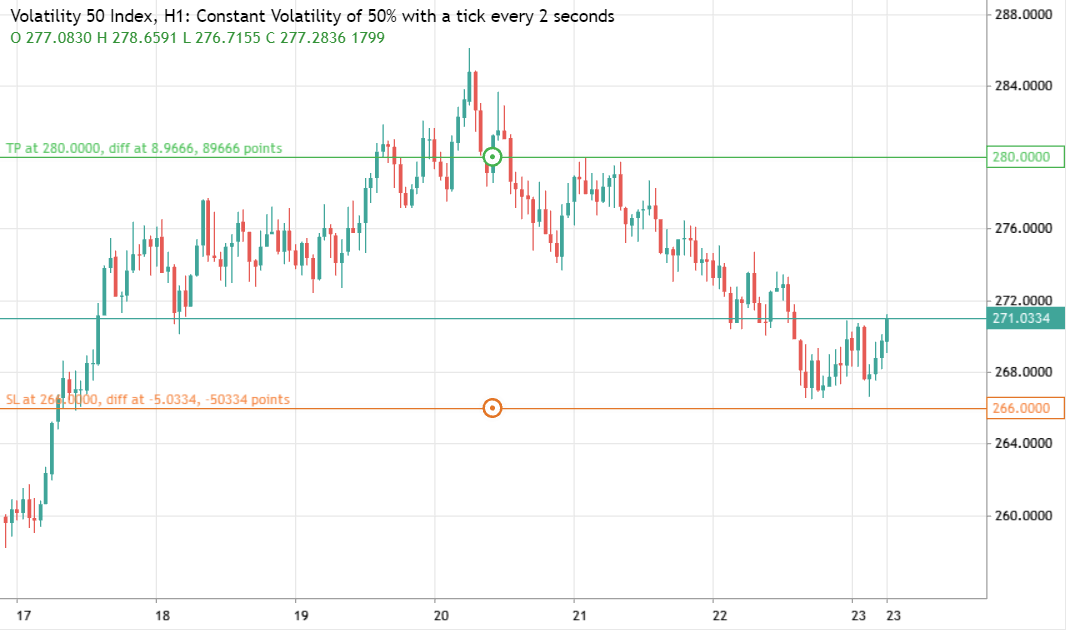
لنفصل الأمر بمثال. افترض أنك اشتريت مؤشر التقلب 50 بسعر 271$ وحددت TP عند 280$. إذا وصل السوق إلى 280$، تُغلق صفقتك، محققة ربحًا بقيمة 9$. وفي الوقت نفسه، إذا قمت بتحديد SL عند 266$، ستُغلق صفقتك هناك، محددة خسارتك عند 5$ فقط.
عند تداول مؤشر تقلبات، يمكنك الجلوس ومشاهدة كل حركة سعر وتأمل في الأفضل، ولكن هذه طريقة مجهدة (ومعظمها محفوفة بالمخاطر) للتداول.
إيجاد التوازن الصحيح: نسبة المخاطرة إلى العائد
لوضع SL و TP بحكمة، يستخدم المتداولون نسبة المخاطرة إلى العائد. إنها صيغة بسيطة لكنها قوية:
نسبة المخاطرة إلى العائد = الربح المحتمل / الخسارة المحتملة
في مثالنا:
- الربح المحتمل = 9$
- الخسارة المحتملة = 5$
- نسبة المخاطرة إلى العائد = 1.8 (لكل 1$ مخاطرة، يمكنك تحقيق 1.80$)
نسبة مخاطرة إلى عائد أعلى قد تعني أرباحًا محتملة أكبر، لكن الأمر كله يتعلق بإيجاد التوازن الصحيح بناءً على ظروف السوق وقدرتك على تحمل المخاطر.
بدلاً من ذلك، فإن أوامر وقف الخسارة وجني الأرباح تقوم بالعمل الشاق بدلاً منك من خلال تأمين الأرباح وتقليل الخسائر تلقائيًا.
لماذا تهم أوامر SL و TP
استخدام أوامر SL و TP معًا ليس فقط للتخمين في التداولات. بل هو اتخاذ خيارات ذكية واستراتيجية لحماية أموالك وزيادة مكاسبك إلى أقصى حد.
هل أنت مستعد لاختبار استراتيجيتك؟ تدرب بدون مخاطرة باستخدام حساب تجريبي وشاهد مدى تمكنك من التعامل مع تقلبات السوق.
لنقوم بتحليل ذلك بمثال. لنفترض أنك تشتري مؤشر التقلبات 50 بسعر 271 دولار وتحدد نقطة جني الأرباح عند 280 دولار.
اختبار
ماذا يحدث عندما يتم تفعيل أمر وقف الخسارة؟
الأسئلة الشائعة