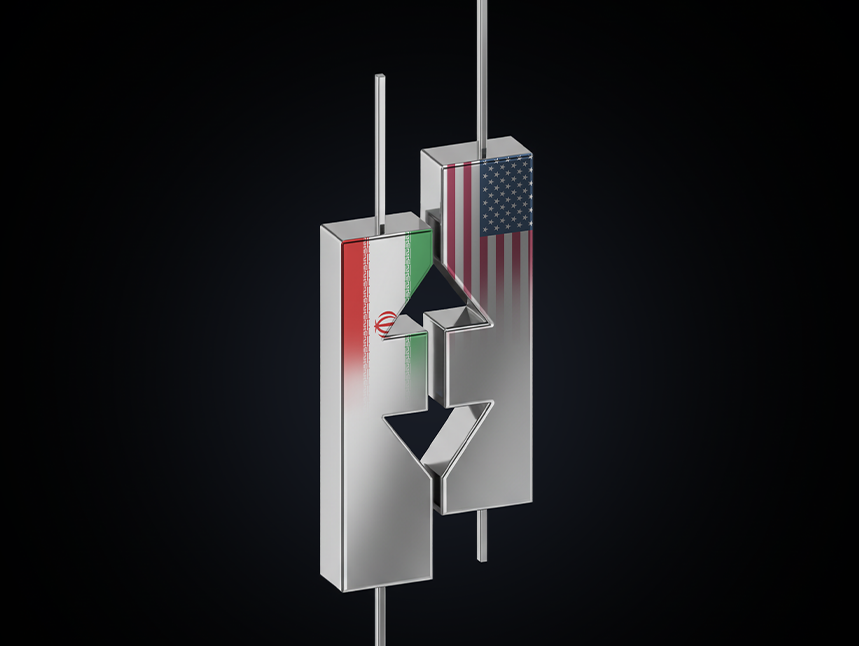
Introdução: Negociar CFDs de ouro e prata durante a incerteza geopolítica negociação de CFDs
O ouro e a prata são metais preciosos amplamente considerados como ativos de refúgio durante períodos de tensão geopolítica, choques inflacionários e instabilidade financeira. Em 2026, conflitos crescentes em regiões chave, sanções renovadas, pressões inflacionárias persistentes e incerteza na política dos bancos centrais devolveram estes metais ao centro da atividade de negociação global.
Este artigo concentra-se especificamente na negociação de ouro (XAUUSD) e prata (XAGUSD) como Contratos por Diferença (CFDs) na Deriv MT5. Em vez de comprar lingotes físicos, os traders especulam sobre movimentos de preços, assumindo posições longas ou curtas dependendo da sua perspetiva do mercado. Em mercados geopolíticos altamente reativos, esta flexibilidade é crítica.
Compreender como os eventos globais se traduzem em volatilidade — e como gerir essa volatilidade usando controlos de risco estruturados — é o que separa a negociação reativa do posicionamento estratégico.
Resumo rápido: Principais conclusões para traders
- Os CFDs de ouro e prata permitem posicionamento longo e curto durante a instabilidade geopolítica.
- Decisões de taxas, dados de inflação e escalada de conflitos são os principais impulsionadores de volatilidade.
- O ouro move-se tipicamente inversamente ao dólar americano, amplificando a reação aos sinais da Reserva Federal.
- A prata é influenciada tanto por fluxos de refúgio como por procura industrial, aumentando a sua volatilidade.
- Ferramentas de gestão de risco — ordens stop-loss, dimensionamento de posições e controlo de margem — são essenciais nas condições atuais.
- A Deriv MT5 fornece gráficos em tempo real, indicadores técnicos e acesso de demonstração para testar estratégias.
Porque é que a tensão geopolítica está a impulsionar o ouro e a prata em 2026
O ouro e a prata reagem rapidamente à incerteza global porque são vistos como reservas de valor quando a confiança nas moedas ou no crescimento enfraquece.
1. Escalada de conflitos regionais
Quando as tensões geopolíticas aumentam — seja através de escalada militar, disputas comerciais ou sanções — o capital frequentemente desloca-se para ativos defensivos. O ouro geralmente experimenta entradas imediatas à medida que as instituições reduzem a exposição a ações ou mercados emergentes.
Cadeia causa-efeito:
Escalada geopolítica → Sentimento de aversão ao risco → Venda de ações → Rotação de capital para ouro → Aumento de preços.
A prata frequentemente segue, mas com maior volatilidade intradiária.
2. Política dos bancos centrais e taxas de juro reais
As expectativas de taxas de juro continuam a ser um dos impulsionadores mais fortes do ouro.
O ouro não produz rendimento. Quando os bancos centrais aumentam as taxas agressivamente, os rendimentos das obrigações aumentam, tornando os ativos sem rendimento menos atraentes. No entanto, quando as subidas de taxas pausam, os rendimentos reais caem ou a inflação permanece elevada, o ouro tende a fortalecer-se.
Mecanismo:
Sinal restritivo da Reserva Federal → Dólar americano mais forte → O ouro torna-se mais caro noutras moedas → Pressão descendente sobre o ouro.
Inversamente:
Expectativas de corte de taxas → USD mais fraco → A procura global de ouro aumenta → Valorização do preço.
Como o ouro é cotado em dólares americanos, as flutuações cambiais influenciam diretamente a sua avaliação.
3. Persistência da inflação
O ouro é frequentemente usado como proteção contra a inflação. Se os dados de inflação surpreendem em alta, os traders antecipam erosão no poder de compra e procuram exposição a ativos tangíveis.
A prata pode beneficiar da procura de proteção contra inflação também, mas a sua reação é frequentemente amplificada pelo seu componente industrial.
4. Procura industrial e o fator prata
Ao contrário do ouro, a prata tem aplicações industriais extensivas. É um componente chave em:
- Painéis solares fotovoltaicos
- Eletrónica e semicondutores
- Componentes de veículos elétricos
Se os dados de produção se fortalecerem ou o investimento em energia verde acelerar, a prata pode subir mesmo que o ouro permaneça limitado a um intervalo.
Esta natureza dual torna a prata mais volátil. Reage tanto ao stress financeiro como a sinais de crescimento económico — por vezes em direções opostas.
Compreender a volatilidade nos metais preciosos
A volatilidade refere-se à velocidade e magnitude das mudanças de preços.
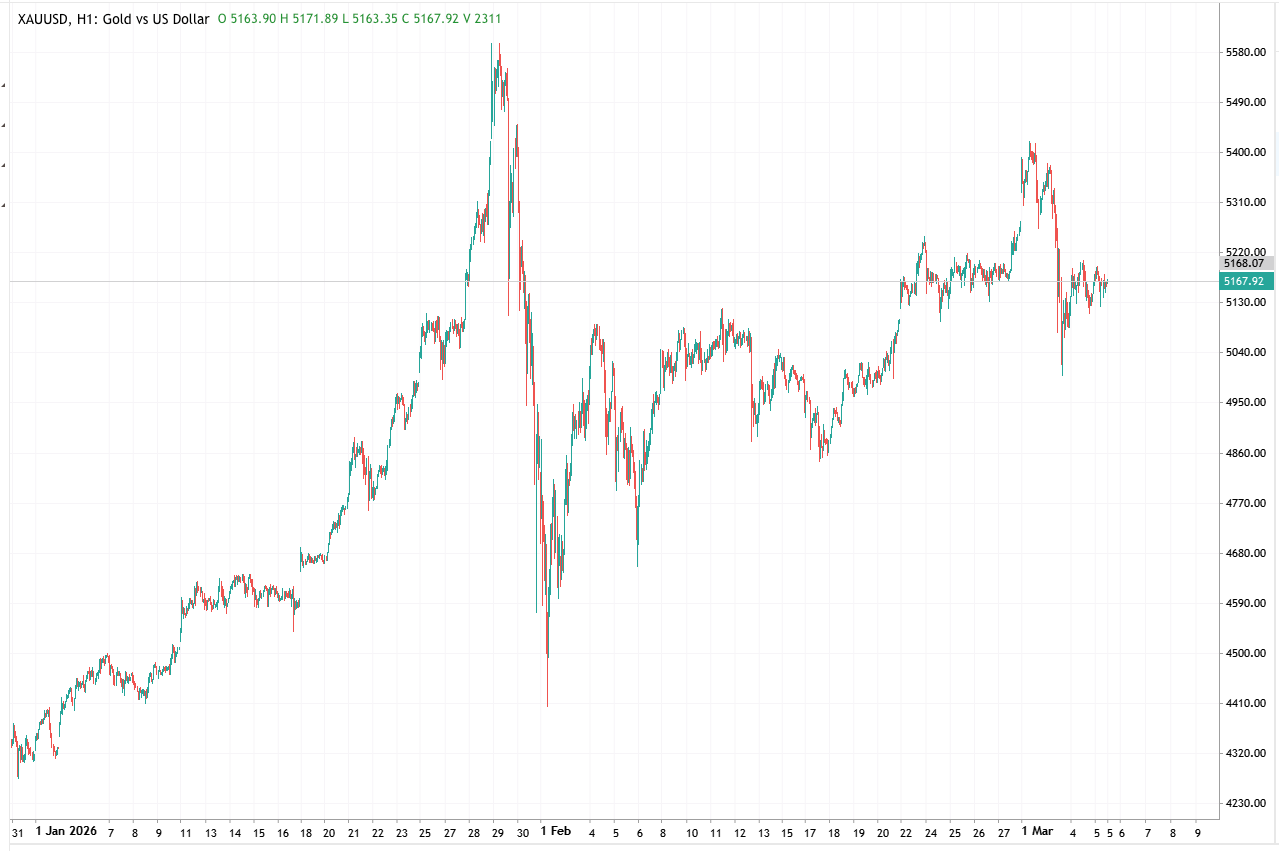
Nos recentes picos geopolíticos, o ouro experimentou movimentos diários superiores a 2–3%, com oscilações intradiárias de 40–60 USD por onça não sendo incomuns. Os movimentos percentuais da prata são frequentemente maiores devido à menor profundidade de liquidez em comparação com o ouro.
A volatilidade cria:
- Oportunidade para traders de curto prazo
- Requisitos de margem aumentados
- Maior risco de deslizamento do stop-loss
Pressão emocional
Os traders que utilizam CFDs devem prestar atenção à alavancagem. Embora a alavancagem amplifique os retornos potenciais, também amplifica as perdas. A gestão adequada da margem torna-se crítica durante mercados rápidos.
Estratégias de negociação para mercados geopolíticos
Diferentes perfis de traders respondem de forma diferente à instabilidade.
Scalping durante picos de notícias
Os scalpers operam em gráficos de 1–15 minutos, visando pequenas ineficiências de preços após notícias de última hora.
Melhores condições:
- Volatilidade pós-anúncio
- Aumentos de liquidez
- Velas de momentum forte
Ferramentas na Deriv MT5:
- Ordens stop-loss apertadas
- Negociação com um clique
- Médias móveis de curto prazo
- Deteção de divergência de RSI
Foco no risco:
Mantenha os tamanhos das posições pequenos devido às oscilações rápidas de preços.
Negociação de rutura após consolidação
O ouro consolida frequentemente antes de grandes manchetes geopolíticas.
Configuração:
- Identificar intervalo apertado.
- Aguardar rutura confirmada com expansão de volume.
- Entrar na direção da rutura.
- Colocar stop-loss abaixo da resistência rompida (ou acima do suporte para posições curtas).
Ruturas falsas ("fakeouts") são comuns durante condições incertas. Aguardar a confirmação da vela reduz o risco de oscilação brusca.
Seguir tendências durante crises prolongadas
Se a tensão geopolítica persistir durante semanas, o ouro pode estabelecer uma tendência ascendente apoiada por fluxos institucionais.
Indicadores:
- Alinhamento das médias móveis de 21 e 50 períodos
- Máximos mais altos e mínimos mais altos
- RSI forte permanecendo acima de 50
Os traders de tendência frequentemente arrastam ordens stop-loss em vez de definir alvos fixos, permitindo participação em movimentos prolongados.
Negociação de posição para temas macro
Os traders de longo prazo podem construir posições baseadas em:
- Expectativas de inflação sustentadas
- Acumulação estrutural de ouro pelos bancos centrais
- Instabilidade geopolítica prolongada
Estes traders usam níveis de stop-loss mais amplos e rácios de alavancagem menores para resistir a recuos temporários.
Níveis técnicos que importam
Os mercados geopolíticos respeitam zonas de preços psicológicas.
O ouro frequentemente reage em torno de limiares de números redondos (por exemplo, 4.500 USD ou 4.600 USD por onça). Estes níveis atuam como aglomerados de liquidez onde as ordens institucionais se acumulam.
A prata frequentemente estagna em números redondos como 80 USD ou 95 USD.
Suporte e resistência, retrocessos de Fibonacci e médias móveis frequentemente convergem nestes níveis, fortalecendo o seu significado.
Como negociar CFDs de ouro e prata na Deriv MT5
Negociar metais preciosos na Deriv envolve os seguintes passos:
- Abrir a Deriv MT5.
- Selecionar XAUUSD (ouro) ou XAGUSD (prata).
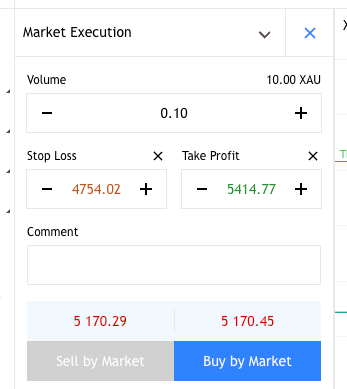
- Escolher o tamanho da negociação (o tamanho do lote determina a exposição).
- Definir ordem stop-loss para limitar o risco descendente.
- Definir ordem take-profit para fixar ganhos.
- Monitorizar o nível de margem para evitar liquidação forçada.
Como os CFDs permitem negociações longas e curtas, os traders podem responder a:
- Escalada ao comprar ouro
- Desescalada ou surpresas de taxas vendendo ouro
A plataforma fornece:
- Ferramentas de gráficos avançadas
- Indicadores técnicos integrados
- Intervalos de tempo personalizáveis
- Acesso a conta de demonstração para testar estratégias
Praticar num ambiente de demonstração ajuda os traders a compreender o impacto da volatilidade sem exposição financeira.
Gestão de risco em mercados instáveis estratégias de gestão de risco
Durante a incerteza geopolítica, a gestão de risco é mais importante do que o momento de entrada.
Tamanho da posição
Reduza o tamanho do lote quando a volatilidade expande. Uma posição menor num mercado volátil pode comportar o mesmo risco que uma posição grande em condições calmas.
Disciplina de stop-loss ordens de stop-loss
Cada negociação deve ter um ponto de saída predefinido. As ordens stop-loss protegem o capital de negociação e previnem decisões emocionais.
Evitar alavancagem excessiva
A alavancagem elevada pode parecer atrativa durante tendências fortes, mas reversões repentinas podem erodir rapidamente o capital.
Planear cenários antecipadamente
Pergunte:
- O que acontece se o conflito escalar?
- O que acontece se for anunciada uma resolução diplomática?
- E se os dados de inflação surpreendem?
O planeamento estruturado reduz a negociação reativa.
Quando podem o ouro e a prata cair?
Mesmo durante tensão geopolítica, ocorrem correções.
Possíveis gatilhos baixistas:
- Avanços diplomáticos rápidos
- Crescimento económico mais forte do que o esperado
- Subidas de taxas agressivas inesperadas
- Valorização acentuada do USD
Compreender cenários tanto altistas como baixistas garante uma tomada de decisão equilibrada.
Conclusão: Oportunidade estruturada na volatilidade geopolítica
Negociar CFDs de ouro e prata na Deriv MT5 durante períodos de instabilidade geopolítica oferece oportunidade significativa — mas apenas quando abordado com disciplina.
O ouro tende a beneficiar da incerteza sustentada e enfraquecimento dos rendimentos reais. A prata amplifica os movimentos devido à sua sensibilidade industrial. Ambos os ativos reagem fortemente aos sinais da Reserva Federal, divulgações de inflação e manchetes de escalada.
Os traders bem-sucedidos nos mercados de 2026 partilham três características:
- Consciência macro clara
- Regras técnicas de entrada e saída definidas
- Gestão de risco rigorosa através de ordens stop-loss e alavancagem controlada
A volatilidade não é inerentemente perigosa — a volatilidade não gerida é.
Usando a plataforma MT5 da Deriv, conta de demonstração e ferramentas de gráficos, os traders podem estruturar a sua abordagem e participar em movimentos globais de preços sem possuir metais físicos
Questionário
Qual das seguintes opções é mais importante ao negociar ouro e prata durante uma alta volatilidade?
Perguntas frequentes