In trading, a spread is the gap between an asset’s buy (ask) and sell (bid) prices - the cost of entering a trade. Lower spreads mean lower costs, faster breakeven, and higher profit potential.
At Deriv, we offer tight, transparent spreads across forex, commodities, and synthetic indices, helping traders make the most of every market move. Low spreads make trading more efficient and rewarding - especially for active traders like scalpers and day traders.
Quick Summary
- A spread is the difference between an asset's buy (ask) and sell (bid) prices.
- Low spreads mean lower costs and higher profit potential.
- High spreads occur in volatile or low-liquidity markets.
- Major pairs like EUR/USD and USD/JPY usually have the tightest spreads.
- The best times to trade for low spreads are during overlapping major market sessions.
- Deriv offers competitive, transparent spreads tailored for different trading styles.
What does spread mean in trading?
A spread is the gap between the bid price (the price you can sell at) and the ask price (the price you can buy at). It represents your transaction cost for opening a trade - the tighter it is, the cheaper your trade.
Example:
- EUR/USD bid: 1.1000
- EUR/USD ask: 1.1002
- Spread: 0.0002 → 2 pips
How does spread in trading work?
When you open a trade, you start slightly in the red by the spread. If EUR/USD has a 2-pip spread, the price must move 2 pips in your favour to break even. Lower spreads mean faster breakeven and lower costs.
Spreads differ by pair and market conditions - majors like EUR/USD or GBP/USD have tighter spreads, while minors and exotics such as NZD/CHF or USD/ZAR are wider.
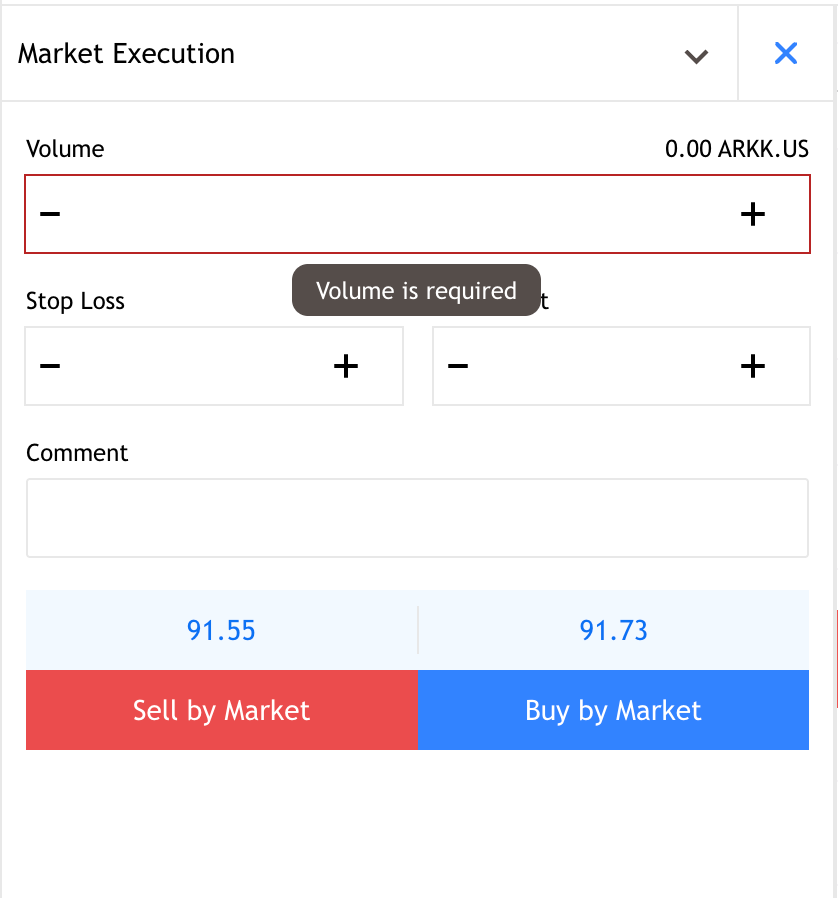
If you’re new to forex trading, it’s worth learning how spreads change with liquidity and volatility - it’s a core concept for beginners. On Deriv MT5, you can view bid and ask prices at the top left of the chart under “New order”. The difference between them is the spread.
Now that you know what a spread is, the next step is learning how to calculate it - so you can measure your trading costs accurately.
How to calculate forex spreads
Spreads are measured in pips, the smallest price movement in most currency pairs.
Formula:
Spread = Ask price - Bid price
Example:
If GBP/USD is quoted at 1.2715 / 1.2718, the spread = 0.0003 or 3 pips.
In a standard lot (100,000 units), each pip is worth $10, so a 3-pip spread costs $30 per trade.
Spreads aren’t fixed - they fluctuate as market conditions evolve. Here’s why those changes happen and what influences them most.
What affects spread size in forex?
Spreads fluctuate depending on market conditions:
- Volatility: spreads widen during major news or uncertainty.
- Liquidity: more traders mean tighter spreads.
- Trading hours: active sessions (London, New York) keep spreads low.
- Broker model: Deriv offers variable spreads that reflect live market pricing for full transparency.
During major news releases like NFP or CPI, spreads can briefly widen, then normalise within minutes on DMT5.
According to Investopedia, forex spreads typically widen during market volatility or low liquidity, as brokers adjust to the risk of rapid price changes.
After seeing what drives spread changes, it’s easier to compare what high and low spreads mean in real trading conditions.
Understanding high spread vs low spread trading
- Low spreads: Indicate a stable, liquid market - ideal for short-term trading.
- High spreads: Suggest low liquidity, market stress, or off-peak trading hours.
Example:
- EUR/USD → 0.5-pip spread during London–New York overlap.
- EUR/USD → 5-pip spread during quiet or volatile periods.
With Deriv, you can count on consistent, competitive pricing, even in changing market conditions.
Why are low spreads important in your daily trading?
Low spreads lower your costs and increase trading efficiency.
They:
- Reduce fees: spend less each time you open a position.
- Improve timing: execute trades closer to your desired entry and exit points.
- Boost profitability: every pip saved compounds over time.
For traders who open and close positions regularly, Deriv’s low-spread environment ensures more of your profit stays with you.
How to manage and minimise the spread risk management trading strategies
You can’t control spreads, but you can trade smarter:
- Trade during high-liquidity sessions like London and New York.
- Avoid major news releases that cause volatility.
- Use limit orders for precise entries.
- Choose low-spread accounts such as Deriv’s Financial account on DMT5.
Factors that affect spreads
- Liquidity: The easier it is to buy or sell an asset, the tighter its spread. High liquidity usually means lower trading costs.
- Volatility: Sharp market moves, often triggered by economic data, can widen spreads as traders adjust for uncertainty.
- Trading hours: Spreads are tighter during active sessions like London and New York, when trading volume is highest.
- Broker model: Deriv’s variable spread model reflects real market conditions, ensuring transparency and fairness.
How to determine the lowest price spreads for trading?
- Compare average spreads, not just minimums.
- Observe spreads using a Deriv demo account in different sessions.
- Focus on major pairs and popular indices for tighter pricing.
- Use a broker that provides real-time spread data - as Deriv does.
Timing is crucial - trading when liquidity peaks can significantly tighten spreads. Here’s when those opportunities appear.
How to identify times of high liquidity in the markets?
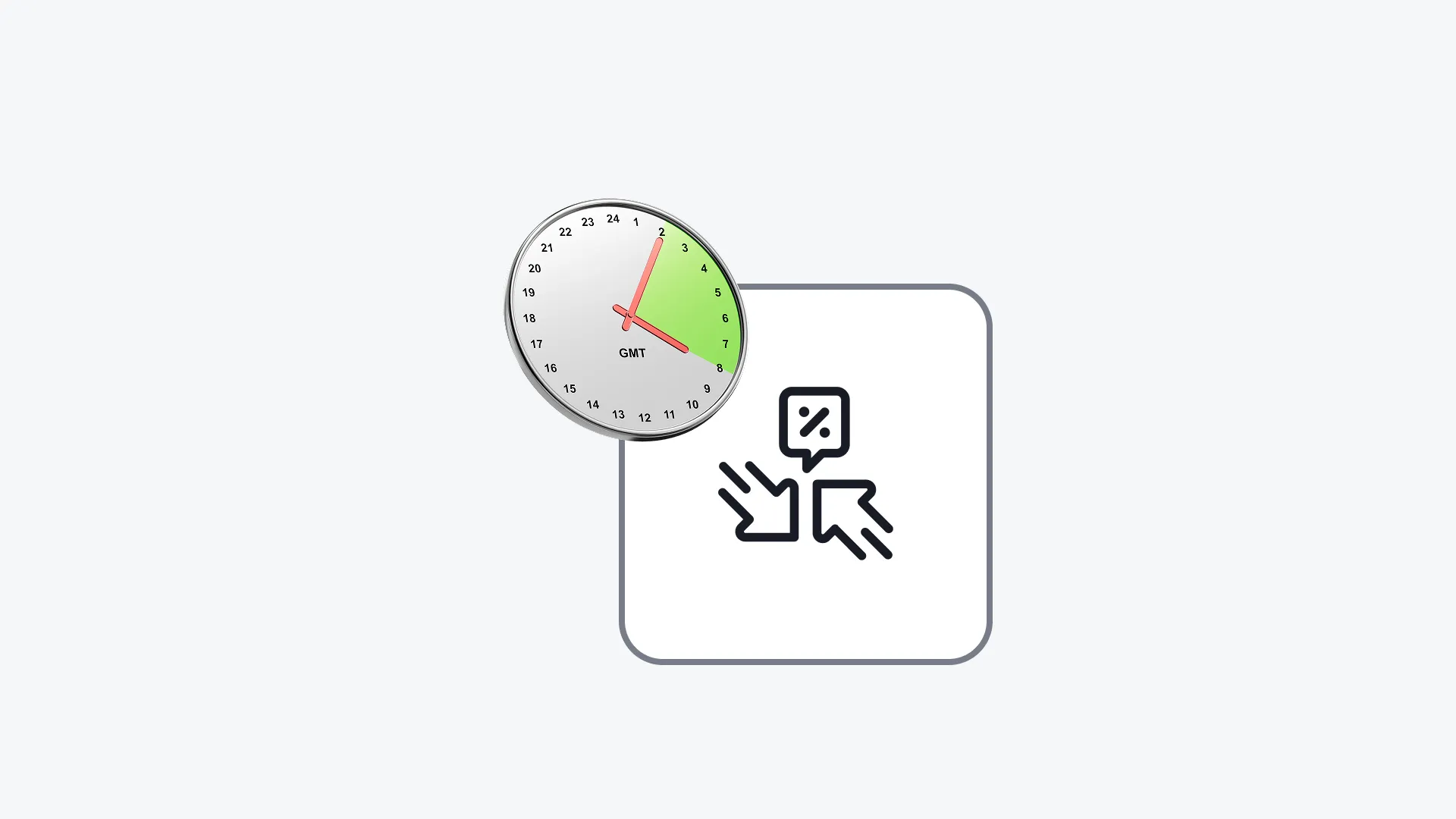
Liquidity peaks when major markets overlap:
- London–New York (1 PM – 4 PM GMT): tightest spreads and highest activity.
- Tokyo–London (7 AM – 9 AM GMT): moderate activity, ideal for JPY pairs.
Deriv traders can plan around these windows to enjoy lower spreads and faster execution.
To put everything together, here are a few practical ideas to help you plan trades when spreads are lowest.
Ideas that help determine the best time to trade for the lowest price spreads
- Trade during major session overlaps.
- Avoid low-volume hours and weekends.
- Skip trades during high-impact news.
- Focus on high-liquidity assets such as EUR/USD, GBP/USD, and major indices.
Low spread forex trading example
Imagine a trader opening a EUR/USD buy trade on Deriv MT5 (DMT5) during the London session, when market liquidity is highest and spreads are tightest.
- Bid: 1.1000
- Ask: 1.1001
- Spread: 1 pip
Using the Deriv Financial account, designed for low-spread forex trading, the cost for a 1 standard lot (100,000 units) position is just $10 - no hidden mark-ups or platform fees.
If that trader executes 10 trades per day, their total spread cost is $100. If the spread widened to 3 pips, that cost would increase to $300.
This shows how Deriv’s competitive, transparent pricing helps active traders manage costs effectively. Every pip saved supports more efficient trading and better long-term profitability.
How to find low spread brokers
- Trade with a regulated, transparent broker like Deriv.
- Check live and typical spreads on DMT5 or Deriv Trader.
- Focus on major currency pairs and high-volume instruments.
- Use a demo account to test spreads before trading live.
How to get low spreads on Deriv
Deriv provides real-time, competitive spreads across all trading platforms and account types.
How to check spreads Deriv MT5 platform:
- Log in to Deriv MT5 or Deriv Trader.
- Select an asset → right-click → Specification.
- View the spread value in pips or points.
- Compare Derived and Financial accounts to find the best match for your trading style.
The Financial account offers the lowest forex spreads for precise, cost-effective trading.
At Deriv, we keep spreads tight, fair, and transparent - helping you cut costs, boost execution, and keep more of your profits across forex, commodities, and synthetic indices.
By knowing how spreads work and when to trade, you can make every move count.
Quiz
When are forex spreads typically the lowest?
FAQs