.png)
La finance décentralisée (DeFi) se trouve au cœur d'une transformation mondiale dans le fonctionnement des marchés numériques. Plutôt que de s'appuyer sur des autorités centralisées pour valider les transactions ou contrôler l'infrastructure financière, les réseaux blockchain distribuent la confiance à travers des systèmes transparents et programmables. Ces innovations soutiennent de nouvelles formes d'activité économique, des transferts transfrontaliers instantanés aux services financiers automatisés basés sur des contrats intelligents.
À mesure que l'adoption s'accélère dans tous les secteurs, comprendre les mécanismes de la finance décentralisée et de l'innovation blockchain fournit un contexte précieux sur l'évolution des marchés numériques modernes et sur la façon dont les participants interprètent les changements qui façonnent ce paysage.
Ce guide explique comment fonctionne la décentralisation, pourquoi elle est importante et comment les technologies émergentes influencent la finance moderne.
Résumé rapide
- Les cryptomonnaies représentent un passage du contrôle financier centralisé au transfert de valeur décentralisé entre pairs.
- La blockchain garantit la transparence et la sécurité en enregistrant les transactions de manière permanente sur des réseaux distribués.
- La DeFi introduit de nouveaux modèles financiers basés sur des contrats intelligents automatisés plutôt que sur des intermédiaires.
- Des outils comme les CFD et les Multipliers sur Deriv permettent aux traders de participer aux mouvements de prix des actifs numériques dans un environnement de trading structuré.
- À mesure que les systèmes décentralisés attirent l'attention réglementaire et institutionnelle, comprendre leurs mécanismes offre aux traders un avantage stratégique.
Qu'est-ce qui rend les cryptomonnaies révolutionnaires pour la transformation des marchés numériques mondiaux ?
Les cryptomonnaies remettent en question les structures financières traditionnelles en permettant des transactions directes sans banques ni processeurs de paiement. Plutôt que de s'appuyer sur des autorités centrales pour vérifier l'activité, les réseaux blockchain valident chaque transaction par consensus distribué.
Selon Investopedia, la blockchain sous-tend toutes les cryptomonnaies en créant des enregistrements de transactions permanents et vérifiables qui ne peuvent pas être modifiés une fois confirmés.
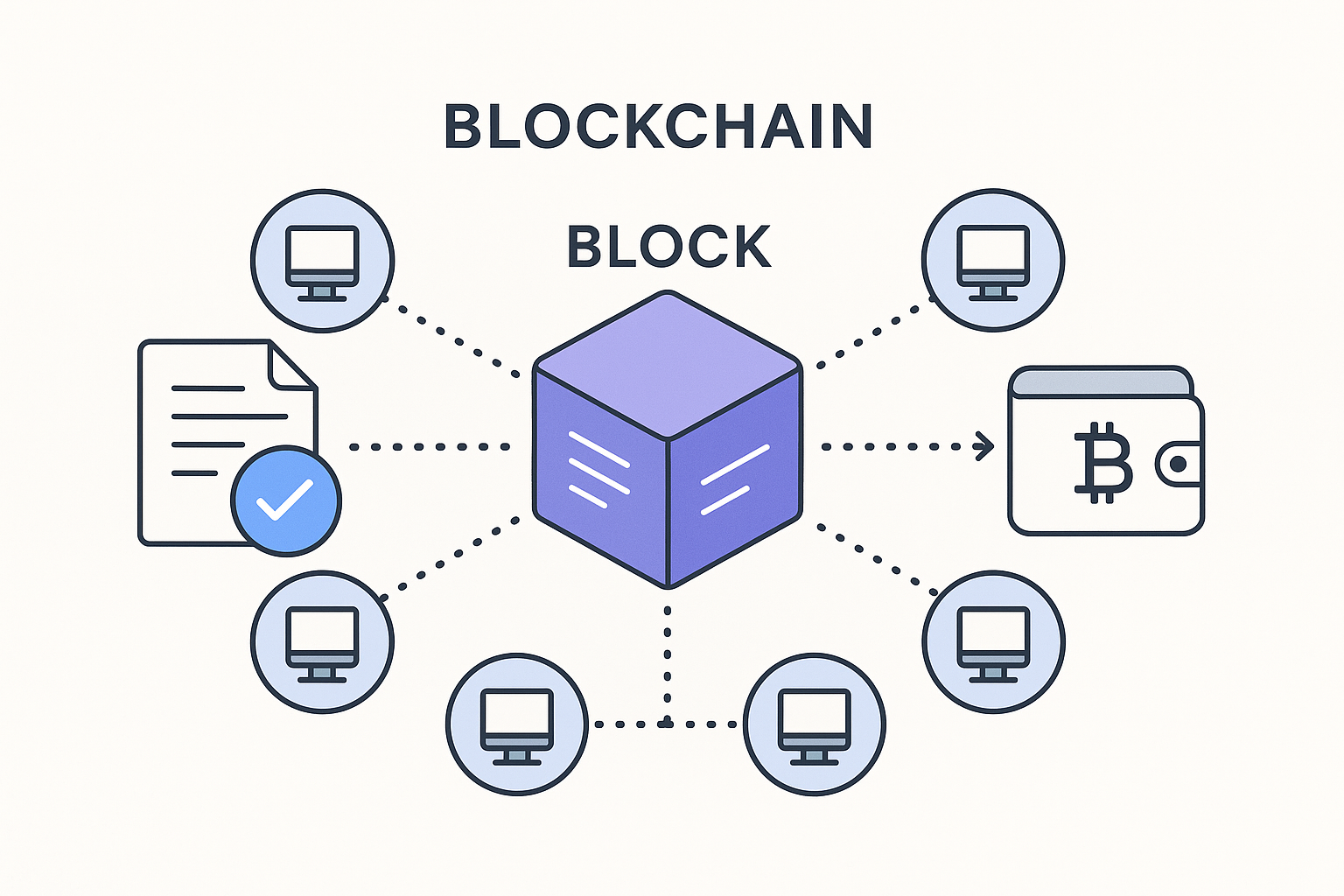
L'architecture de la blockchain garantit qu'une fois les informations enregistrées, elles restent immuables. Cela crée la confiance par la transparence plutôt que par l'autorité institutionnelle. Par conséquent, des secteurs tels que la logistique, l'audit et les envois de fonds explorent de plus en plus la blockchain pour des opérations sécurisées et rationalisées.
« La transparence de la blockchain permet aux utilisateurs de vérifier les transactions de manière indépendante. Elle transfère la confiance des institutions vers la technologie. » — Tan Yng Shan, Senior Manager of Risk & Analytics chez Deriv
Comment la cryptographie sécurise-t-elle la finance numérique ?
La cryptographie est fondamentale pour l'intégrité de la blockchain. Chaque utilisateur détient une clé privée : une signature numérique unique requise pour approuver les transactions. Cela garantit que seul le propriétaire autorisé des fonds peut initier des transferts. Même si un acteur malveillant accède à une partie du réseau, il ne peut pas manipuler l'historique des transactions sans contrôler la majorité des nœuds, ce qui est pratiquement impossible sur les grandes chaînes.
« La cryptographie est l'épine dorsale de la finance décentralisée. Sans chiffrement robuste, les monnaies numériques ne maintiendraient pas leur sécurité ni leur fiabilité. » — Prince Coching, Deriv Senior Trading Applications Analyst
La conception sécurisée des transactions a inspiré de nouvelles applications telles que les identités numériques chiffrées, les comptes multi-signatures et les systèmes de vérification de documents sécurisés dans les industries mondiales.
Comment la technologie blockchain soutient-elle les écosystèmes de finance décentralisée grâce à l'automatisation des contrats intelligents ?
Les plateformes DeFi exploitent la blockchain et les contrats intelligents pour créer des systèmes financiers ouverts et programmables. Au lieu de s'appuyer sur les banques pour prêter, emprunter ou gagner des intérêts, les utilisateurs interagissent directement avec des contrats intelligents qui exécutent automatiquement les règles. Les mécanismes de consensus, tels que la preuve de travail et la preuve d'enjeu, valident chaque transaction avant de l'ajouter de manière permanente à la blockchain.
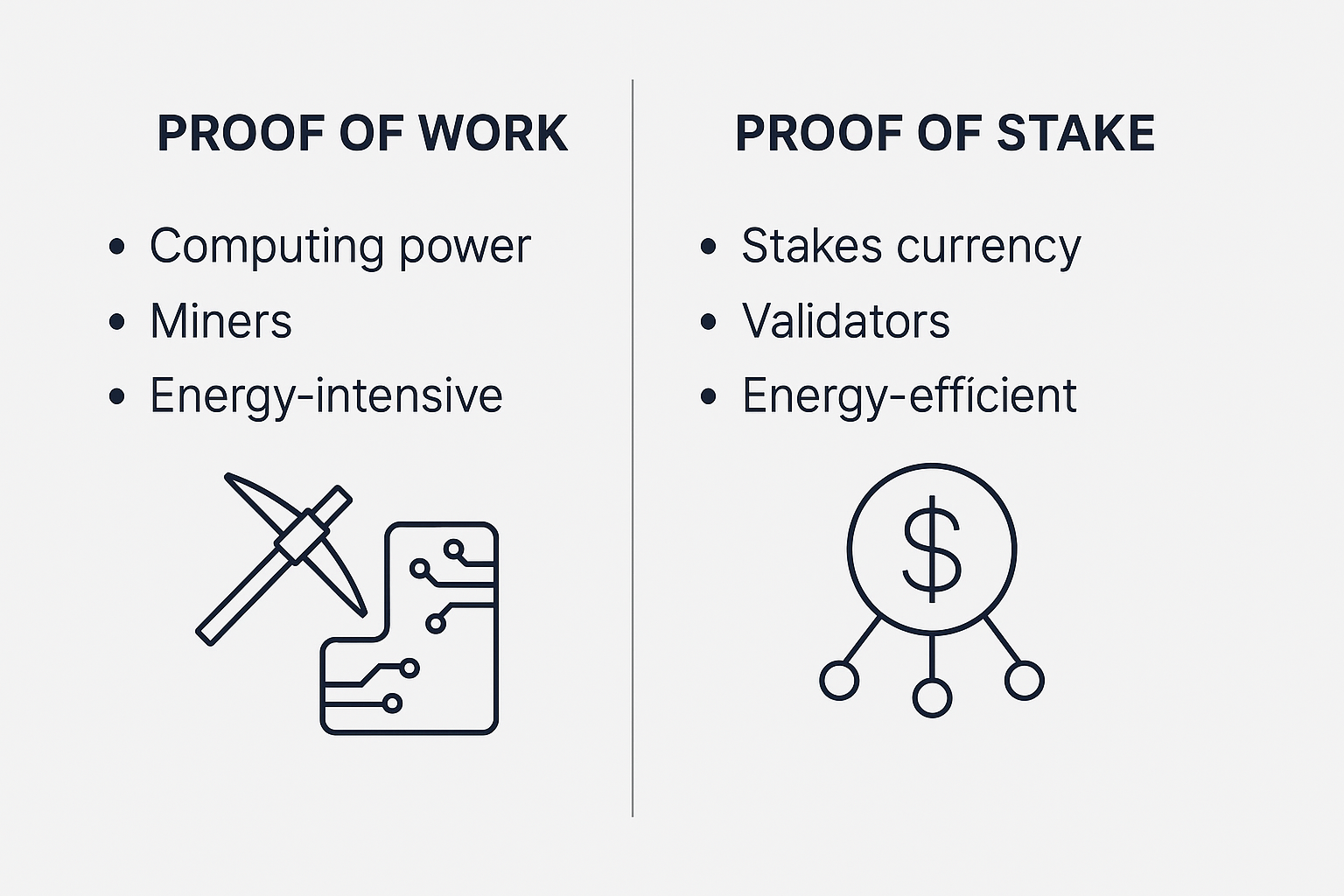
Selon le FMI, la transparence de la blockchain permet des écosystèmes financiers qui fonctionnent en toute sécurité sans gardiens institutionnels. Cela élargit non seulement l'accès mondial aux services financiers, mais introduit également de nouvelles façons de déplacer et d'allouer le capital.
« La prochaine phase de la finance mélange les technologies décentralisées avec les systèmes traditionnels. Les traders sur des plateformes comme Deriv voient déjà cette transition se dérouler. » — Daniel Lim, Deriv Marketing Technology Specialist
Pourquoi les CFD et les Multipliers sont-ils abordés trading de CFD dans le cadre de la transformation des marchés numériques mondiaux ?
Les CFD crypto et les Multipliers permettent aux traders de spéculer sur les mouvements de prix sans posséder les pièces sous-jacentes. Ces instruments offrent une exposition aux marchés haussiers et baissiers, à condition que les traders gèrent leur risque de manière appropriée. Les CFD offrent un dimensionnement de position flexible et des stratégies basées sur les graphiques, tandis que les Multipliers amplifient à la fois les gains et les pertes potentiels en utilisant une mise fixe.
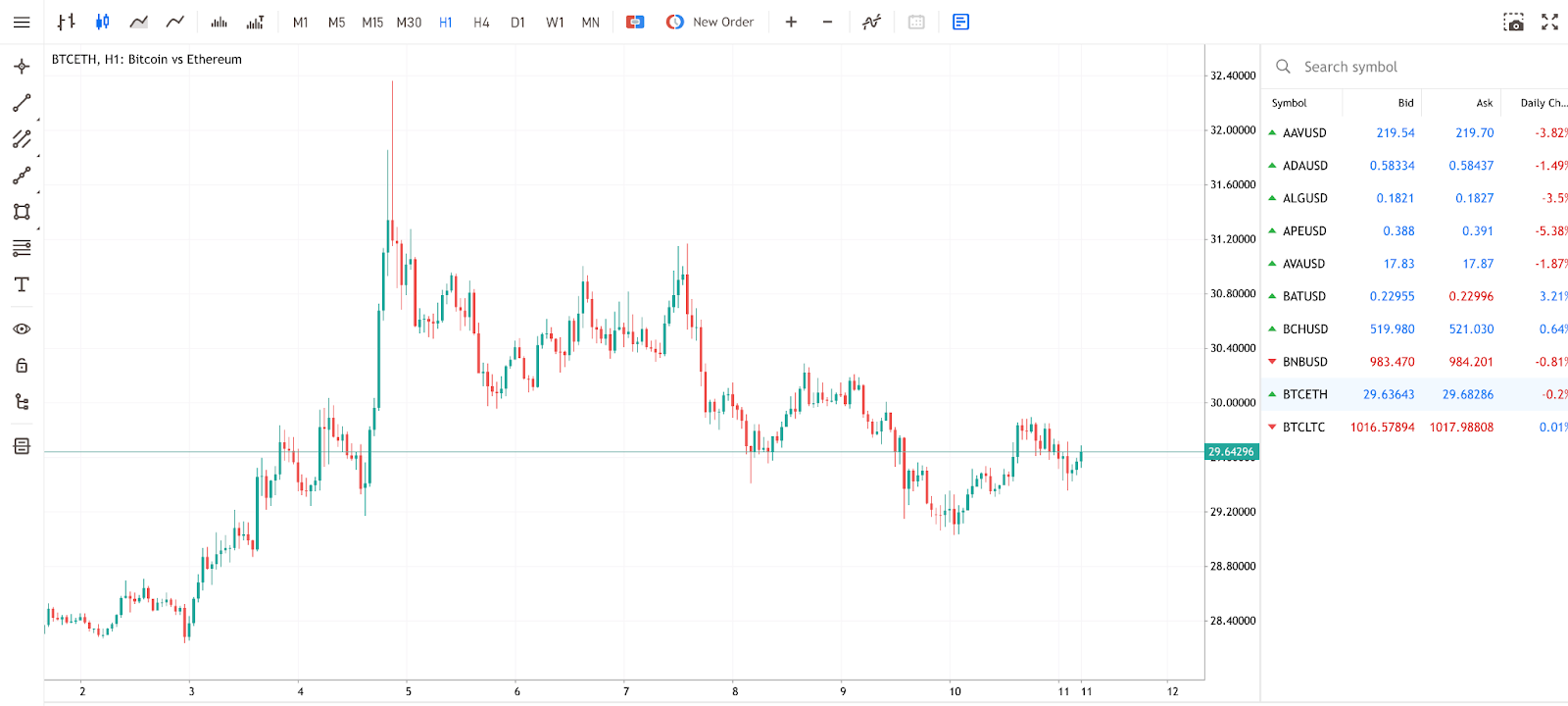
Les deux outils permettent aux traders de réagir à la volatilité en temps réel, bien qu'ils nécessitent toujours une planification disciplinée. La familiarité avec les conditions du marché, telles que les changements de liquidité et la volatilité générée par les actualités, reste essentielle.
Comment les marchés de devises numériques créent-ils des opportunités au sein des écosystèmes de finance décentralisée stratégies de gestion des risques ?
Les marchés de devises numériques fonctionnent en continu, permettant aux participants de réagir instantanément à l'activité du réseau, aux actualités mondiales et aux conditions de liquidité changeantes. Étant donné que les marchés sont décentralisés sur de nombreuses bourses, la profondeur des carnets d'ordres peut changer rapidement en fonction de la participation régionale, des flux institutionnels et des mouvements de stablecoins. Ces dynamiques façonnent la façon dont les prix réagissent et aident à expliquer pourquoi la volatilité peut augmenter ou diminuer fortement tout au long de la journée.
« Les marchés de devises numériques réagissent aux changements structurels plus rapidement que les actifs traditionnels. Le suivi des flux de liquidité et de l'activité on-chain aide les traders à comprendre les forces qui façonnent le sentiment à court terme. » — Deriv Market Research Team
Les données on-chain ajoutent une autre couche d'analyse. L'activité des principaux détenteurs, les changements dans l'utilisation des adresses et les pics de volume de transactions signalent souvent des changements de sentiment avant qu'ils n'apparaissent dans les graphiques de prix. Les traders qui surveillent ces indicateurs obtiennent une vision plus claire de la façon dont le capital tourne dans les écosystèmes et de la façon dont l'élan peut se renforcer ou s'affaiblir.
Les mises à niveau technologiques et les tendances d'adoption mondiales influencent également le comportement du marché. Les améliorations qui augmentent le débit du réseau ou réduisent les frais peuvent affecter la façon dont les actifs sont valorisés, tandis que des initiatives telles que les projets pilotes de tokenisation, les projets de CBDC et les déploiements de blockchain d'entreprise façonnent les récits de marché à long terme. Ces développements montrent comment les marchés numériques évoluent au-delà de la spéculation sur les prix, faisant partie d'une transformation plus large de l'infrastructure financière mondiale.
Quelles sont les utilisations réelles du Bitcoin et de l'Ethereum dans la tokenisation d'actifs du monde réel ?
Au-delà de la spéculation sur le marché, les principales cryptomonnaies soutiennent un éventail croissant d'applications pratiques. Bitcoin permet des paiements transfrontaliers basés sur la réputation, indépendants des systèmes bancaires. Ethereum alimente les contrats intelligents et les applications décentralisées (dApps) utilisées pour les prêts, la vérification d'identité numérique, les jetons non fongibles (NFT) et les services automatisés.
Le Forum économique mondial souligne comment la blockchain soutient le vote numérique sécurisé, le suivi de la chaîne d'approvisionnement et les règlements transfrontaliers. Ces cas d'utilisation en expansion démontrent comment les actifs numériques influencent déjà les opérations commerciales et les systèmes du secteur public.
Quelles sont les idées reçues courantes sur les cryptomonnaies et le fonctionnement de la blockchain ?
« La crypto est réservée aux experts en technologie. »
Les plateformes modernes fournissent des ressources éducatives, des interfaces conviviales et des outils de trading structurés qui soutiennent l'apprentissage à différents niveaux d'expérience.
« Le trading de crypto est du jeu. »
Non, le trading de crypto n'est pas du jeu. Bien que les résultats soient incertains, l'analyse disciplinée, le contrôle des risques et la planification stratégique constituent la base du trading responsable, et non la chance.
« La crypto est anonyme et intraçable. »
La plupart des transactions blockchain sont pseudonymes et peuvent être analysées via des explorateurs publics.
« Vous avez besoin d'un gros capital pour commencer. »
Deriv permet des tailles de position flexibles, permettant aux traders de s'engager avec des expositions plus petites tout en gérant soigneusement leur risque.
Comment le paysage crypto évolue-t-il avec la convergence de l'IA et de la blockchain et les CBDC et l'innovation numérique ?
L'écosystème des actifs numériques continue de mûrir. Les développements clés qui stimulent la prochaine phase de croissance comprennent :
- Les innovations de mise à l'échelle de couche 2 qui réduisent la congestion et diminuent les frais de transaction.
- Les monnaies numériques de banque centrale (CBDC) qui relient les concepts de blockchain aux systèmes monétaires souverains.
- La tokenisation d'actifs du monde réel, permettant la propriété fractionnée de biens immobiliers, de matières premières et d'instruments financiers.
- La convergence de l'IA et de la blockchain, fournissant des analyses améliorées, une modélisation des risques et une prise de décision automatisée.
L'adoption institutionnelle s'accélère également à mesure que les entreprises financières explorent la blockchain pour la garde, le règlement, la conformité et la vérification d'identité. La clarté réglementaire grâce à des cadres comme le MiCA de l'UE aide à stabiliser les marchés et encourage une participation plus large.
« À mesure que les actifs numériques mûrissent, l'écosystème passe de l'expérimentation à l'utilité concrète. Les traders qui s'adaptent tôt obtiennent une perspective plus claire sur la direction du marché. » — Nigin Binish, Deriv Marketing Product Manager
Que doivent retenir les traders sur les cryptomonnaies psychologie du trading dans le contexte de la transformation des marchés numériques mondiaux ?
Les cryptomonnaies représentent un changement majeur dans le fonctionnement des systèmes financiers à l'échelle mondiale. Leur conception décentralisée influence la façon dont les individus achètent, transfèrent et stockent de la valeur. Les traders qui abordent les actifs numériques avec discipline et une compréhension des technologies sous-jacentes sont mieux équipés pour naviguer dans un marché en évolution rapide.
Les plateformes, les ressources éducatives et les outils d'analyse de Deriv fournissent aux traders les ressources dont ils ont besoin pour prendre des décisions éclairées, qu'ils participent à court terme via les CFD et les Multipliers ou qu'ils explorent des thèmes d'actifs numériques à plus long terme.
Quiz
FAQ


